Premium Tobacco Quality Control Guide
Quality checkpoints, from leaf to release.
Use this ONTCSA guide to understand raw leaf intake, sorting, conditioning, draw testing, final inspection, lot references, and documentation handoff for premium tobacco programs.
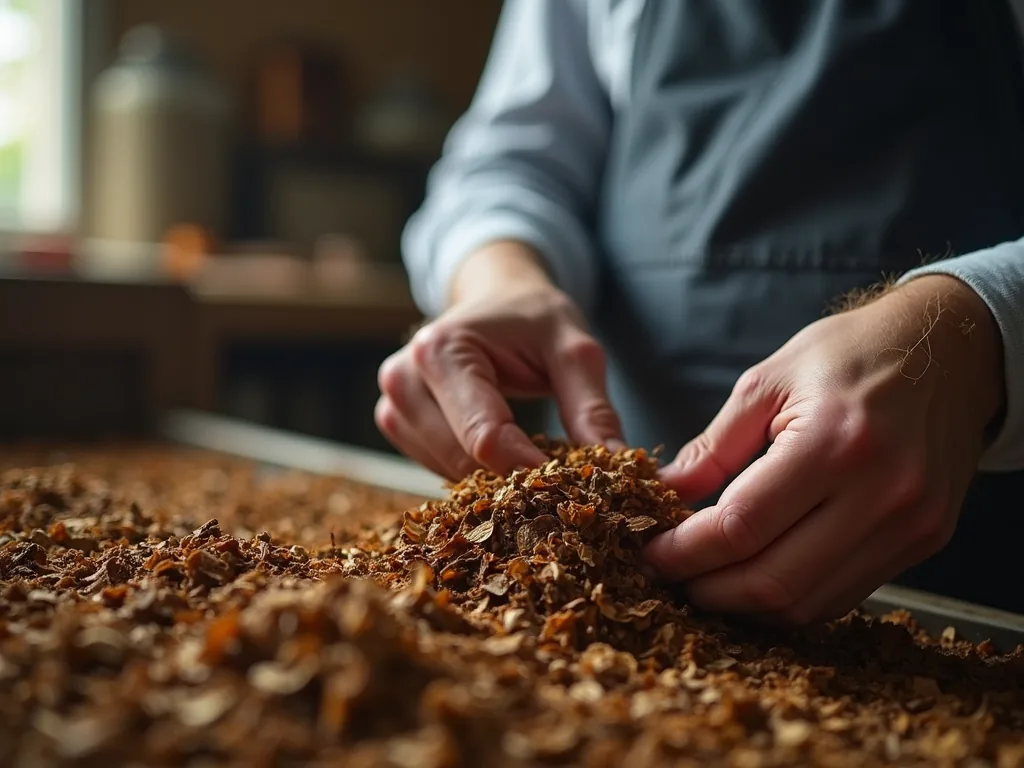
QC-01Leaf intake
Origin, moisture, condition, grade, and lot reference are checked before production use.
QC-02Draw + finish
Product feel, draw, count, packout, and final inspection remain connected.
QC-03Release record
Retain samples, notes, packaging, and buyer handoff details support reorder continuity.
Intake and sorting matrix
Quality begins before production.
Premium tobacco control starts with disciplined leaf review. ONTCSA connects origin, condition, role, moisture, and processing history before leaf moves into finished-product planning.
Raw leaf intake
Review origin, receiving condition, moisture feel, bale or lot reference, and use-case fit.
Sorting discipline
Separate wrapper, binder, filler, leaf role, color, texture, elasticity, and visible condition.
Conditioning control
Prepare tobacco for handling, rolling, cutting, or packing without losing character or structure.
Specification fit
Match the tobacco to cigars, wraps, grabba, whole leaf, packaging, sample, or B2B supply needs.
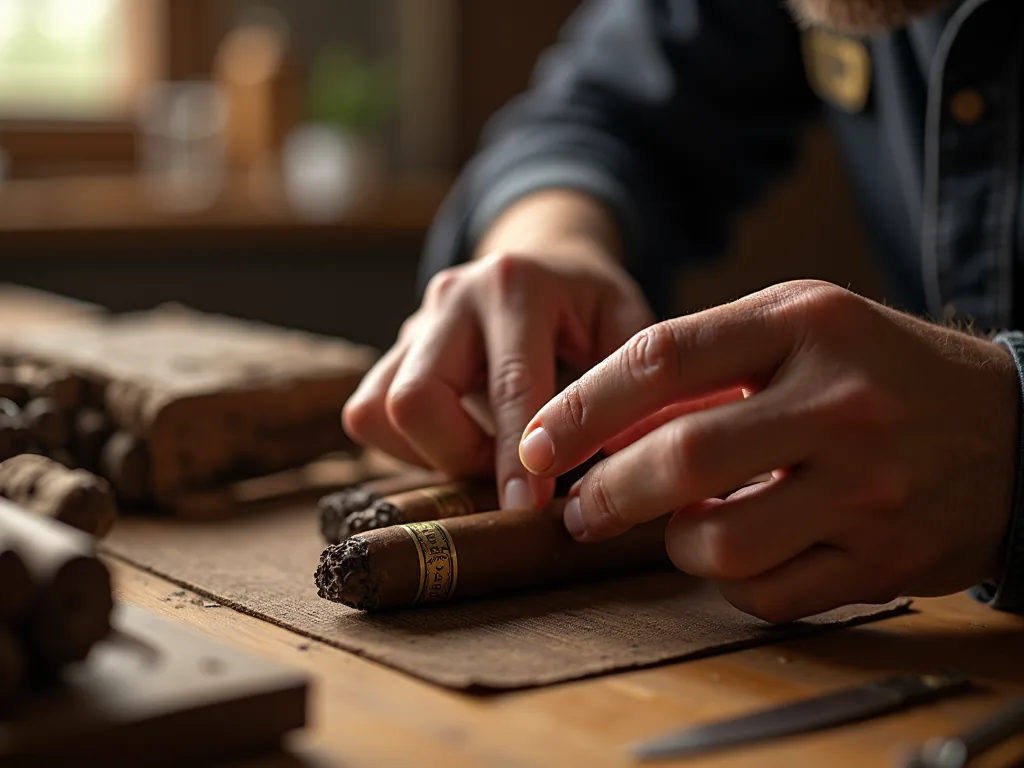
Draw-testing bench
Testing translates leaf quality into product behavior.
For cigars and finished products, quality-control language must stay practical: draw, bunch behavior, wrapper condition, consistency, packing, aroma, finish, and sample approval.
- Draw testing: confirms resistance, airflow, and product feel before release.
- Construction review: checks bunch, roll, finish, wrapper, and presentation.
- Sample alignment: connects buyer expectations to factory inspection notes.
Final release band
Release checks keep quality visible.
Final inspection connects tobacco condition, finished presentation, packaging readiness, retain samples, lot code references, and buyer-facing documentation before commercial handoff.
Presentation check
Confirm count, bundle, band, box, pouch, case pack, and finished appearance.
Lot and retain notes
Connect lot references, retain samples, inspection observations, and reorder context.
Buyer review path
Quality, packaging, samples, and destination requirements are summarized for next steps.
Documentation ledger
Quality notes should travel with the program.
Documentation helps buyers ask better questions and helps ONTCSA maintain production continuity. Public guides explain the workflow; project-specific records are handled during qualified commercial review.
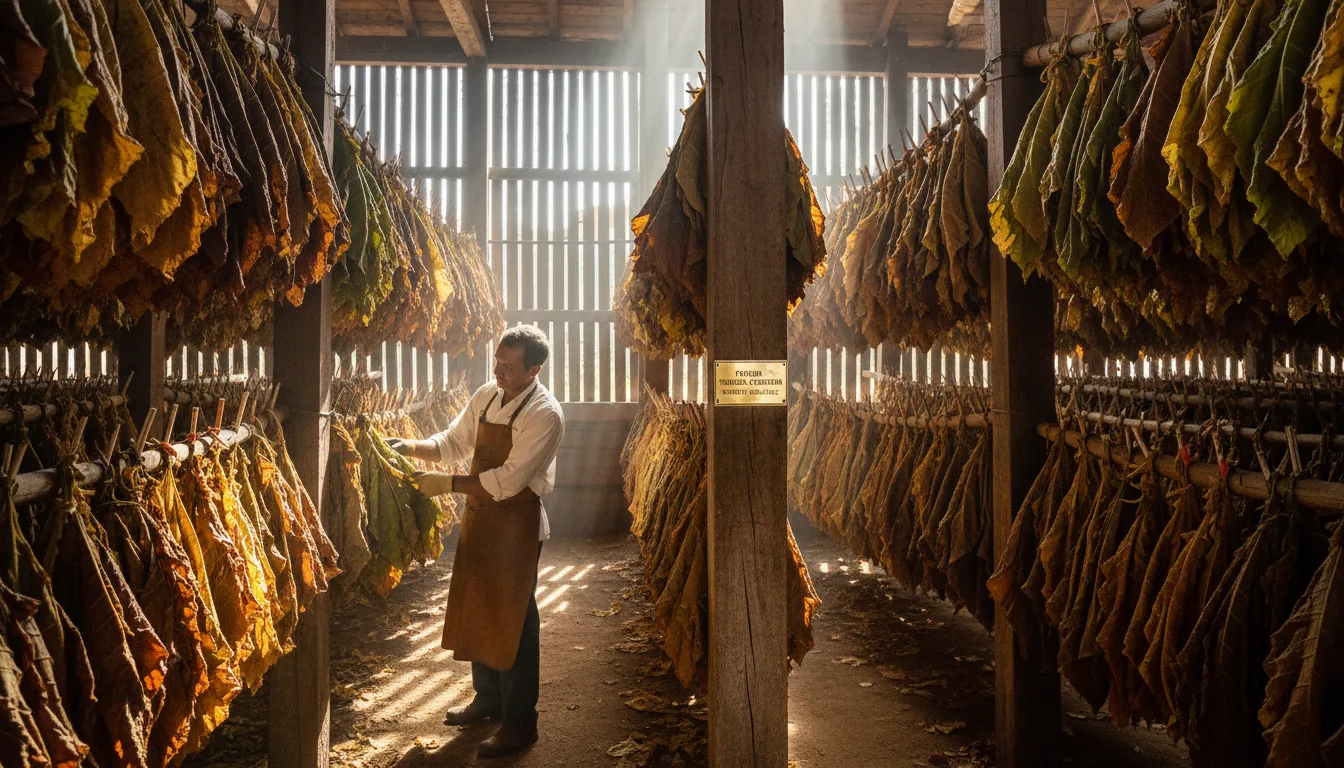
Commercial quality router
Route the guide into the right buyer conversation.
Move from education into quality documentation, samples, quote review, or a project brief when the product path is clear.
01Quality systemTraceability, SOP checkpoints, raw leaf intake, and final inspection.
02DocumentationLot code references, retain samples, records, and release notes.
03Quote reviewShare product format, quality expectations, quantity, destination, and timing.
04Project briefSend program details for qualified sales and factory review.
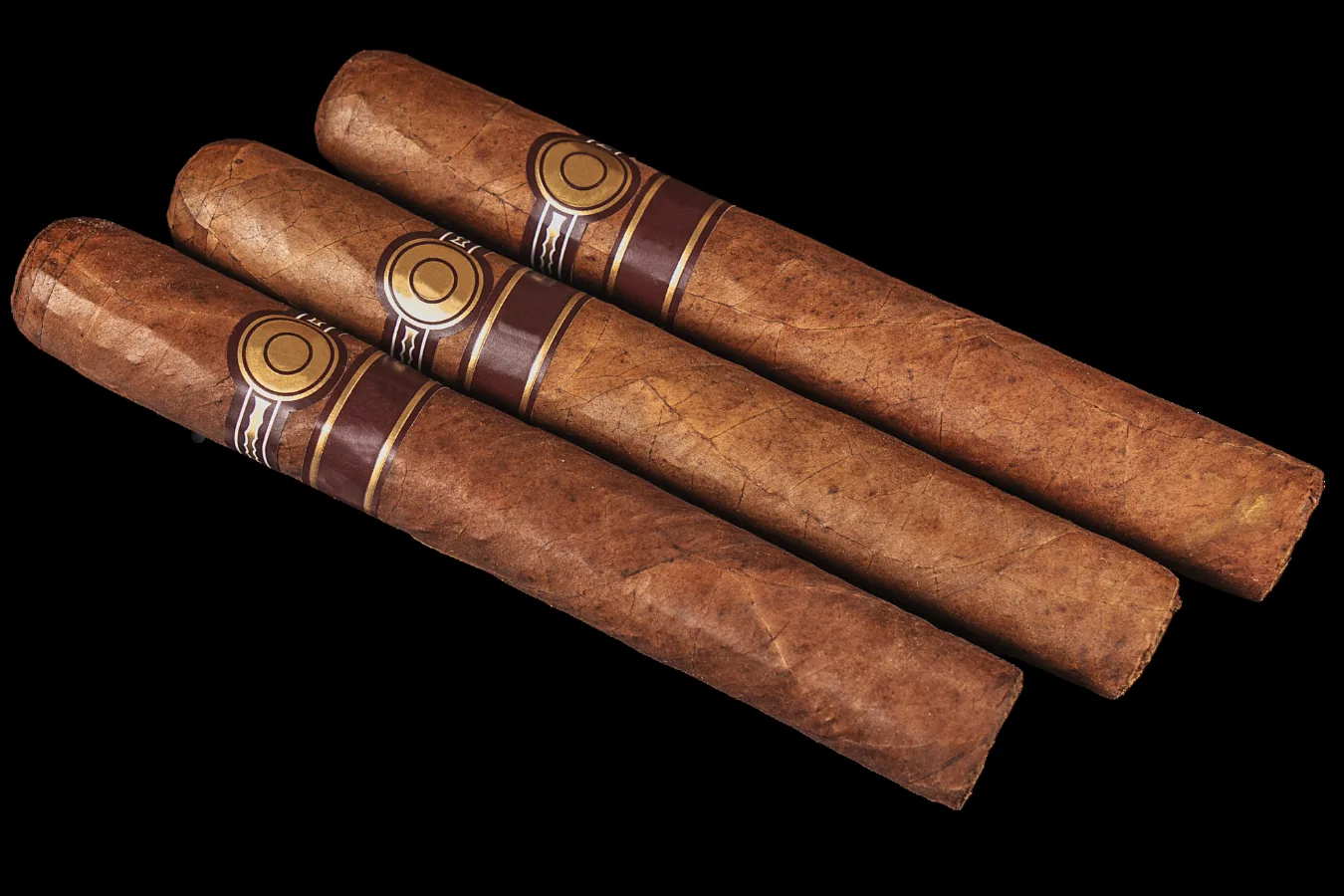
Ready for review
Turn quality expectations into a clean brief.
Bring product format, tobacco role, sample status, packaging direction, final inspection expectations, destination market, and timing into one qualified ONTCSA conversation.