
Appearance lot
Wrapper-grade
Color, size, texture, elasticity, vein condition, and presentation are reviewed before wrapper-grade leaf is discussed.
Raw tobacco and whole leaf supply
Review whole leaf by grade, condition, and buyer use. This page separates wrapper-grade, binder-grade, filler-grade, stripped and unstripped options, storage, handling, and B2B supply questions before a qualified request moves forward.
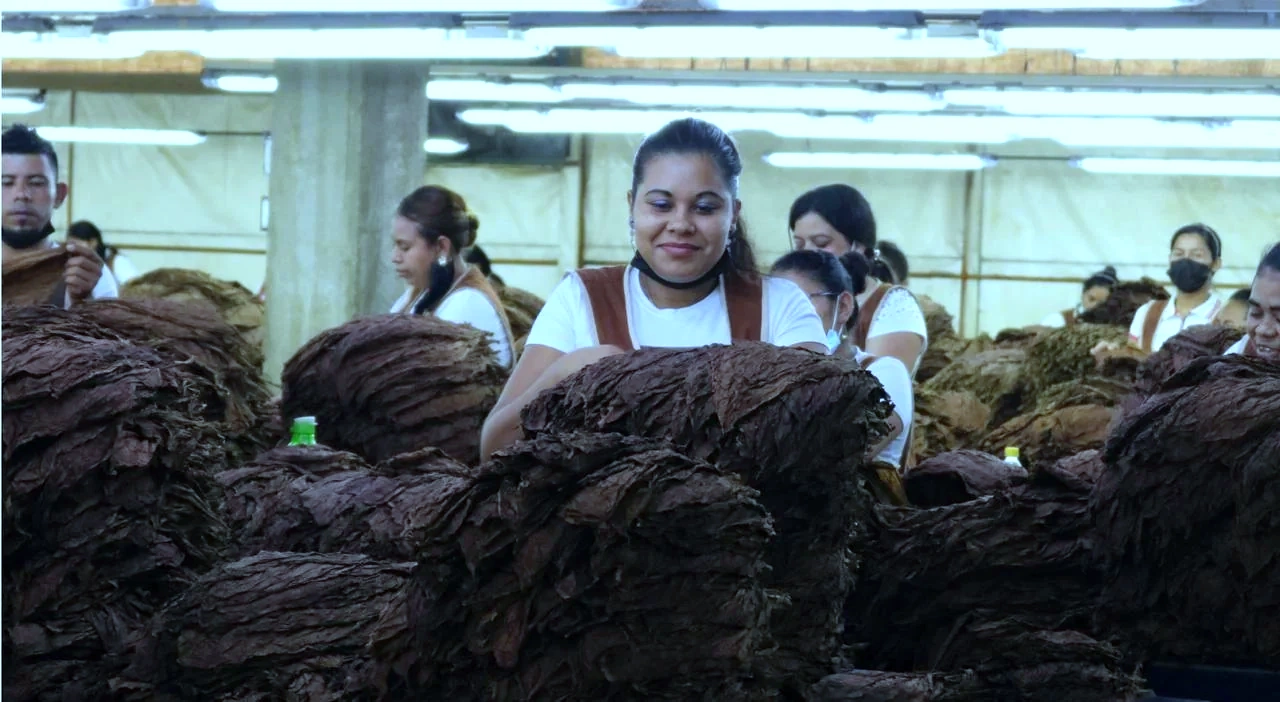
Lot board
Use the lot board to compare the practical language behind whole leaf supply before asking for samples, volumes, or market-dependent logistics.
Color, size, texture, elasticity, vein condition, and presentation are reviewed before wrapper-grade leaf is discussed.

Binder-grade leaf is reviewed for strength, flexibility, combustion support, hold, and consistency across production use.

Filler-grade leaf is reviewed by position, aroma, strength, combustion, moisture, and blend role.
Stripped and unstripped options depend on destination use, handling, storage, packaging, and buyer requirements.
Grade matrix
Wrapper-grade, binder-grade, and filler-grade are not interchangeable. Each one carries different appearance, construction, combustion, aroma, strength, and handling expectations.
Handling and storage
Whole leaf requests should address preparation, moisture, packaging, storage, transport, and documentation so leaf condition is protected from lot review to buyer handoff.
Clarify stripped or unstripped leaf, grade, size expectations, and intended use.
Discuss moisture, pliability, aroma, texture, compression risk, and visible damage.
Plan bale, bundle, wrap, case, label, and transport protection around destination needs.
Connect samples, lot notes, inspection details, destination rules, and reorder references.
Buyer request docket
A stronger request explains the grade, product use, preparation type, volume range, destination market, packaging need, sample goal, and timing.
Grade target, wrapper/binder/filler role, stripped or unstripped preference, intended product, volume range, market, documentation, and logistics expectations.
Fit for adult-use tobacco channels, quality protection, realistic handling, sample readiness, export responsibility, and repeat supply potential.
Next step
Share grade, condition expectations, preparation type, destination market, sample need, packaging requirement, documentation, timing, and volume range.