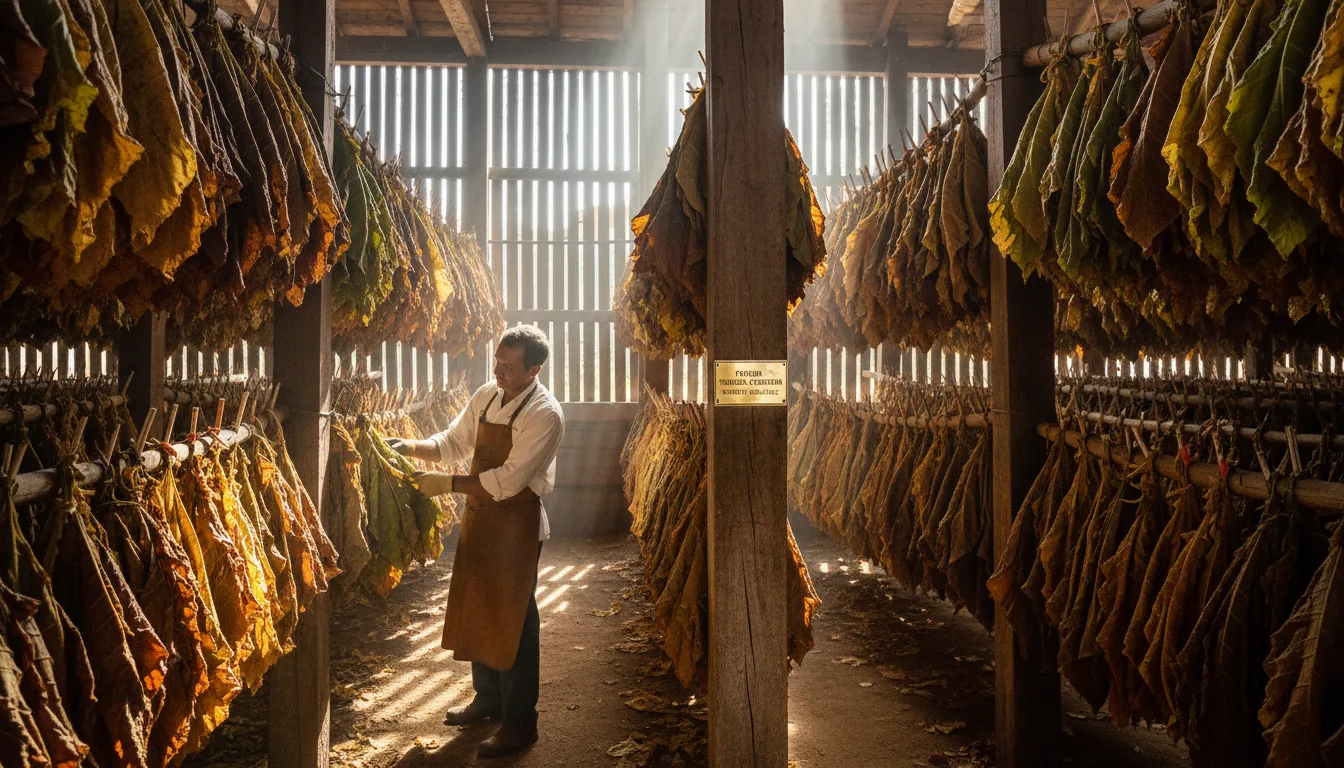
Fermentation and lot condition
Supply review begins with what the leaf is ready to become.
Raw leaf, cured leaf, fermented tobacco, and selected whole leaf each need different expectations for samples, timing, storage, and export handoff.
Raw tobacco supplier · Nicaragua
B2B leafONTCSA helps qualified B2B buyers review Nicaraguan wrapper, binder, filler, cured leaf, fermented lots, and whole-leaf options with the same discipline used for premium production.
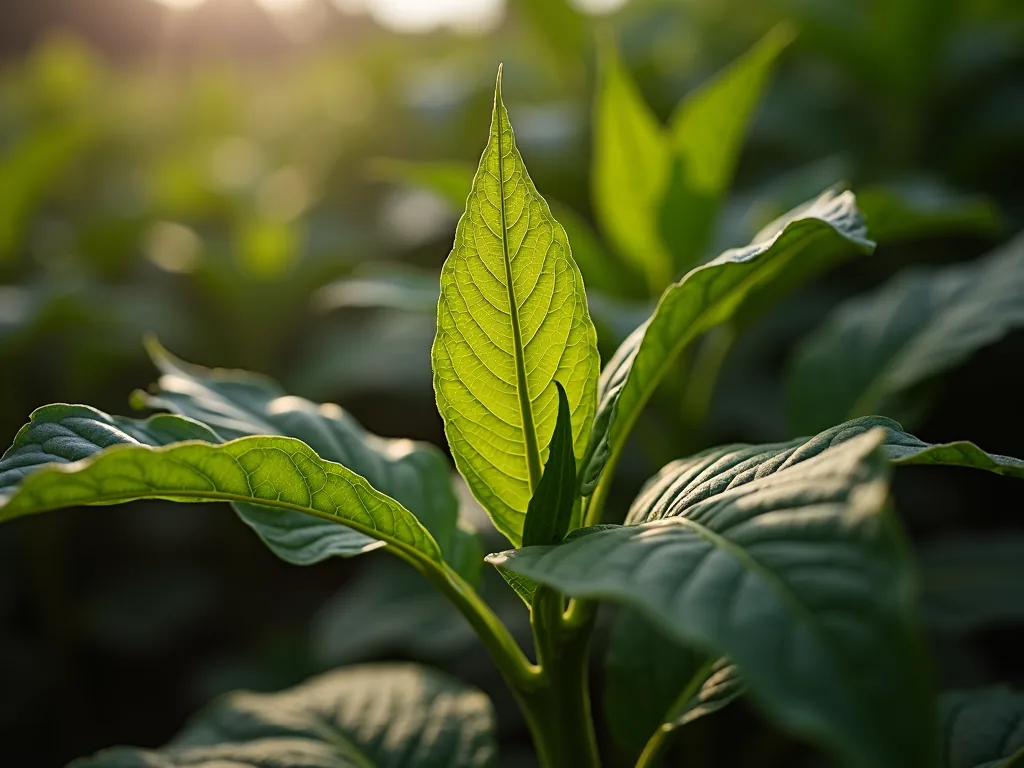
Instead of listing generic tobacco types, this page organizes the decisions a raw tobacco buyer needs to clarify before ONTCSA can route a request.
Fermentation and lot condition
Raw leaf, cured leaf, fermented tobacco, and selected whole leaf each need different expectations for samples, timing, storage, and export handoff.
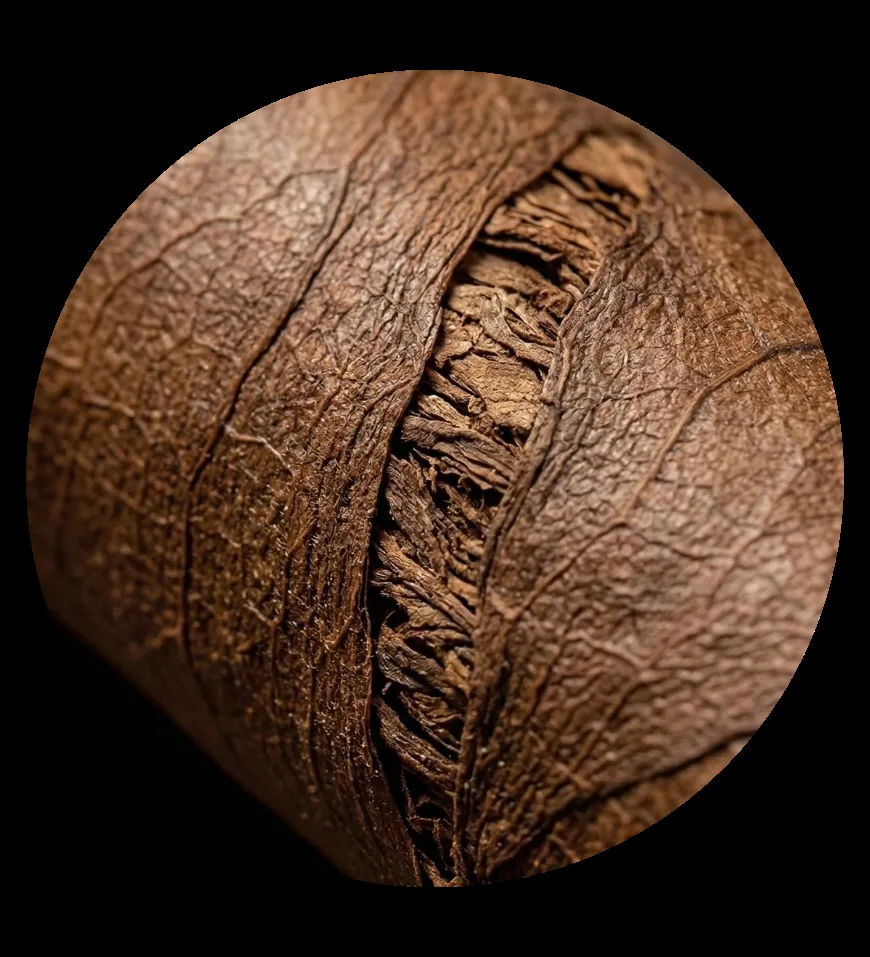
Review color, elasticity, texture, aroma, visible defects, and presentation goals for premium finished goods.

Confirm structure, combustion expectations, strength contribution, and how the leaf supports the intended format.
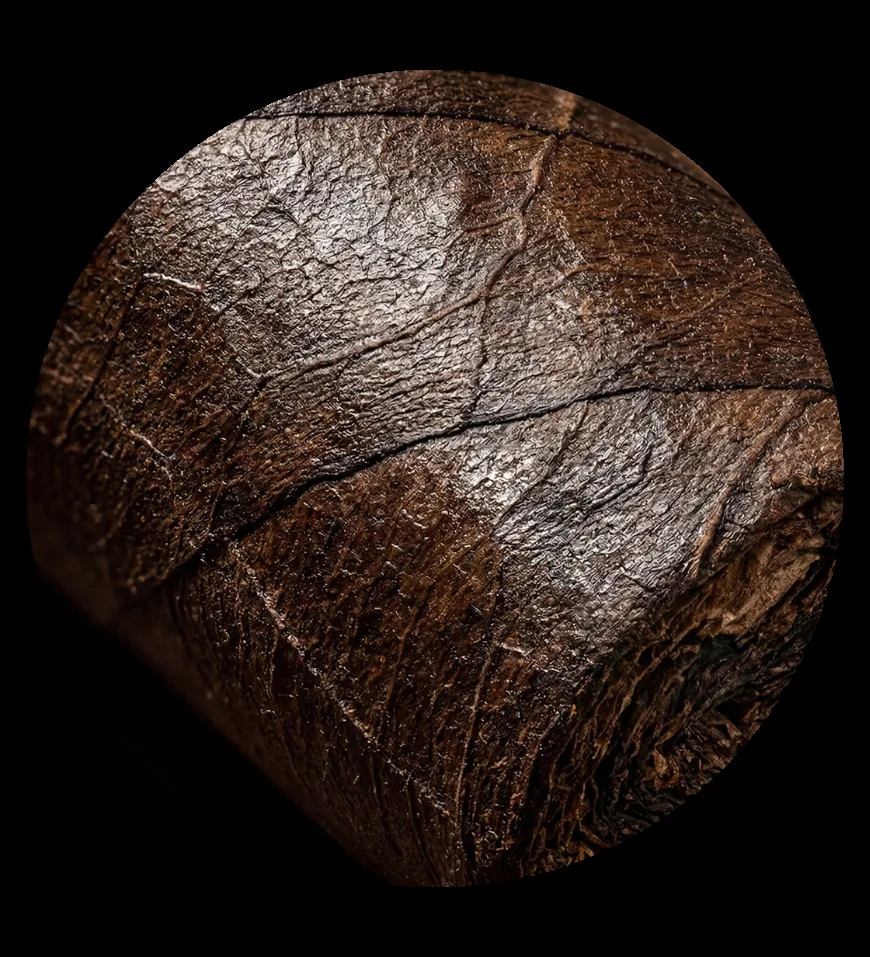
Map ligero, viso, seco, and volado requirements to profile, combustion, aroma, and blend architecture.
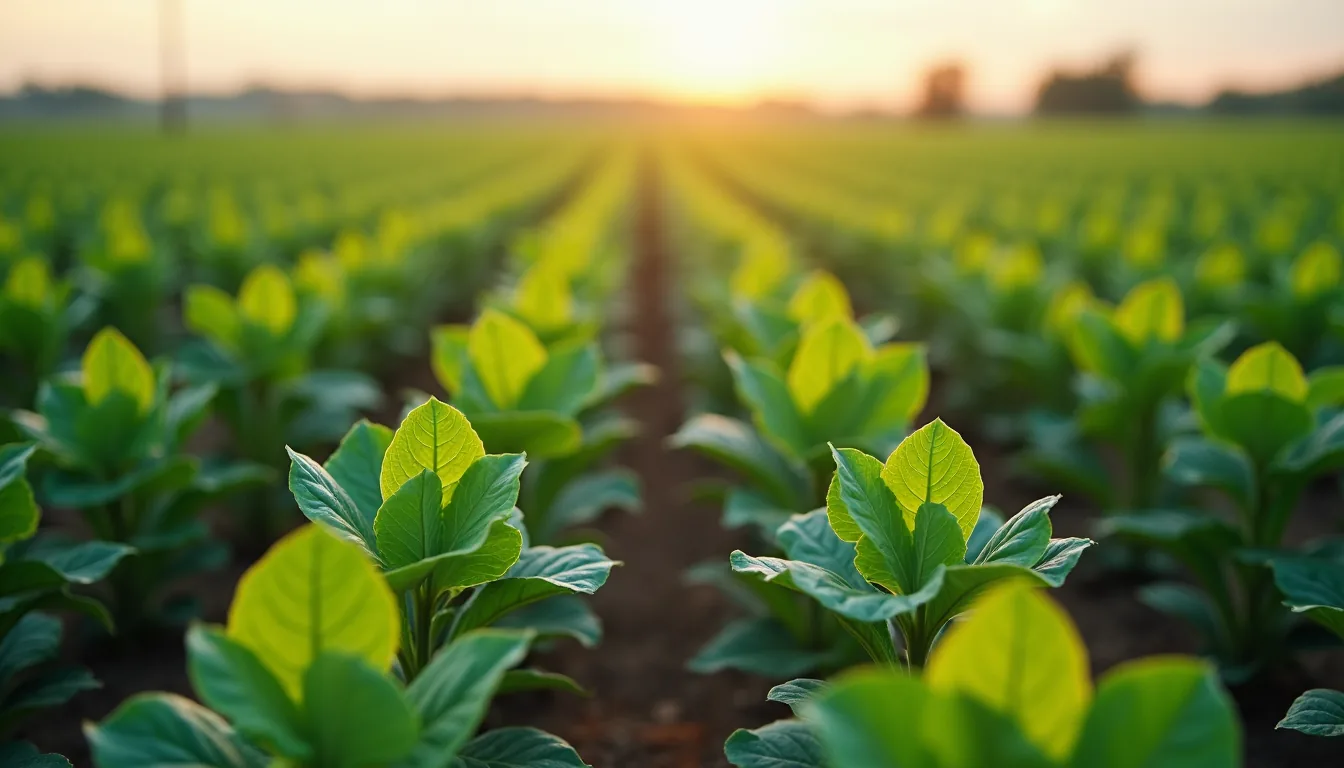
Keep agronomy, curing, fermentation, sorting, and buyer destination connected before price or volume discussions.
How the conversation moves
Raw tobacco sourcing is most productive when the buyer brings a defined role for the leaf. ONTCSA can then route the request through availability, sample direction, documentation, and export expectations.
Finished cigar, wrap, blend component, resale leaf, or private-label production support.
Grade target, strength, color, aroma, condition, curing or fermentation state, and acceptable range.
Buyer role, destination market, sample expectations, volume window, and reorder planning.
Inspection notes, documentation requests, export route, and who manages downstream import steps.
Buyer dossier
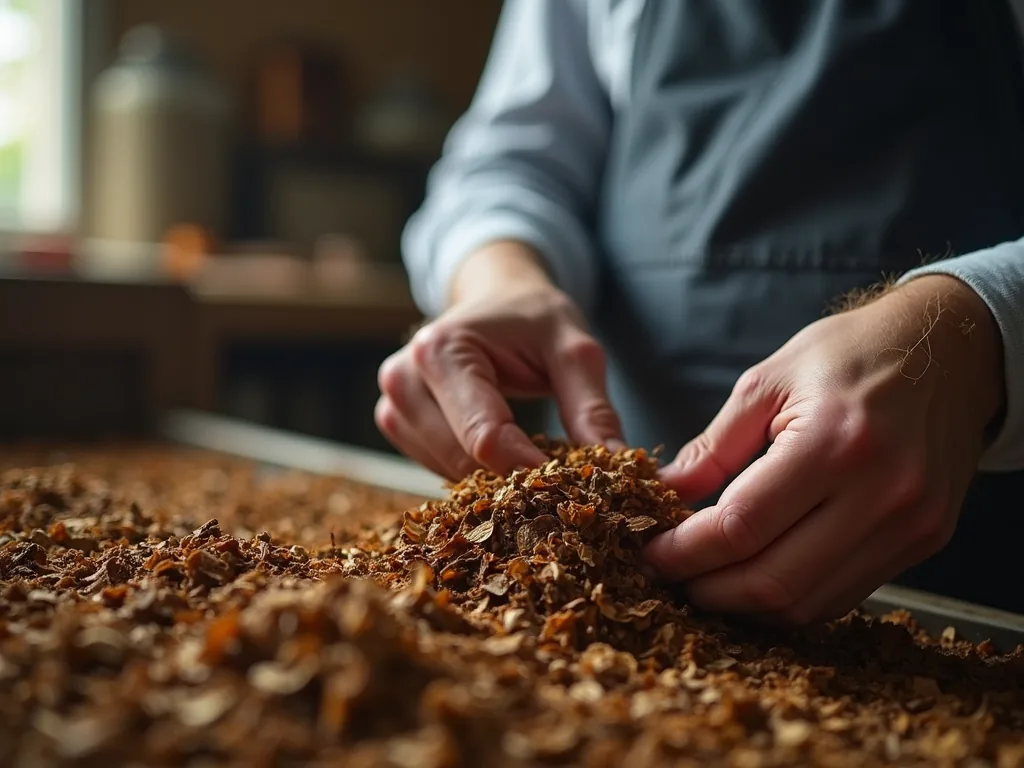
Clear grade, condition, and handling expectations reduce mismatches before samples or export coordination.
The goal is not a generic catalog. The goal is a cleaner B2B supply review that protects both the buyer and the factory.
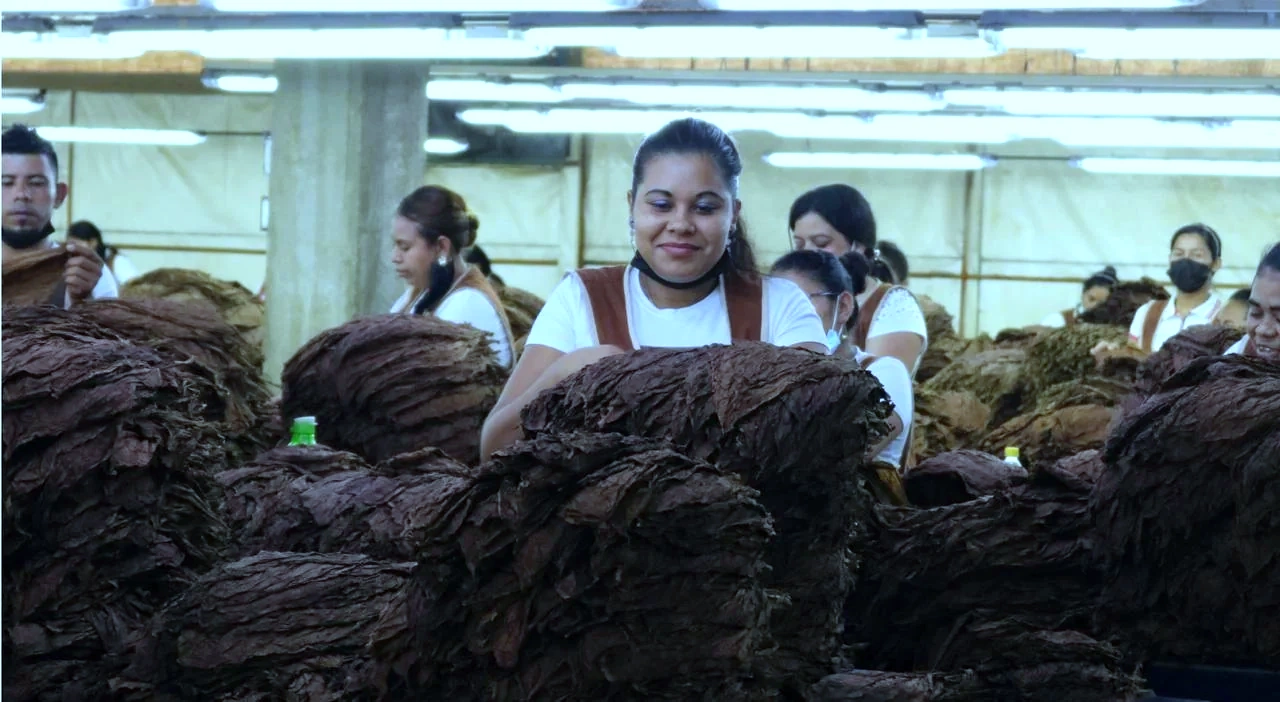
Next step
Share leaf role, destination market, target quantity, sample expectations, timeline, and whether the request is for resale, blending, or finished-product production.
legacy homelegacy serviceslegacy productslegacy tobaccolegacy private labellegacy qualitylegacy resourceslegacy contactscript.js?v=phase482-sitewide-page-session-state"legacy-footer-token" hidden="">Estelí, Nicaragua