Quality · inspection laboratory
Quality begins at the inspection table.
ONTCSA organizes raw leaf intake, in-process checks, SOP discipline, retain samples, lot references, final inspection, and release records around the product a qualified buyer is preparing to approve.
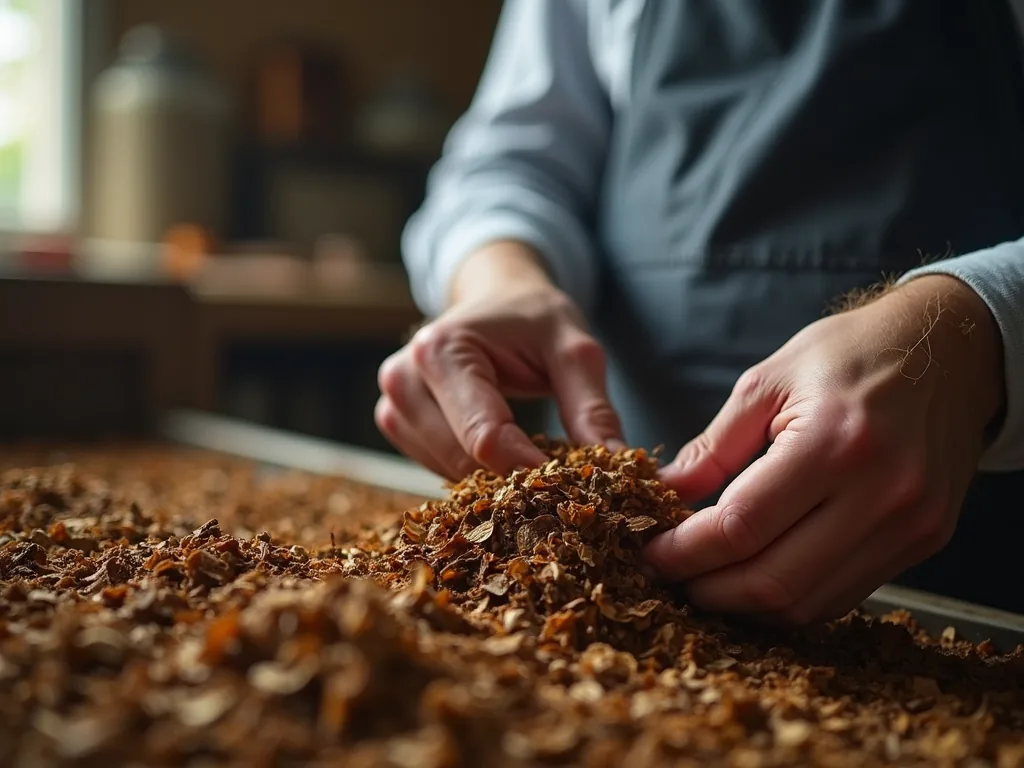
Our Quality Control Practices
Craftsmanship, control, and consistency stay visible.
These principles show how premium tobacco manufacturing stays organized from raw leaf review through finished product release without turning the page into another generic product layout.
Craftsmanship
Every product is hand finished by trained artisans to ensure uniform draw, burn, and presentation.
Control
Multi-point inspections from raw leaf acceptance to final packout keep the process documented and auditable.
Consistency
Standardized specs, batch records, and calibrated equipment deliver repeatable results at scale.
Checks belong in the production rhythm.
Quality is reviewed at material intake, staging, conditioning, rolling or assembly, packout, and release so issues are caught before handoff.
Final review supports buyer confidence.
Finished goods are tied back to specification, sample context, packaging notes, lot references, and buyer-ready documentation.
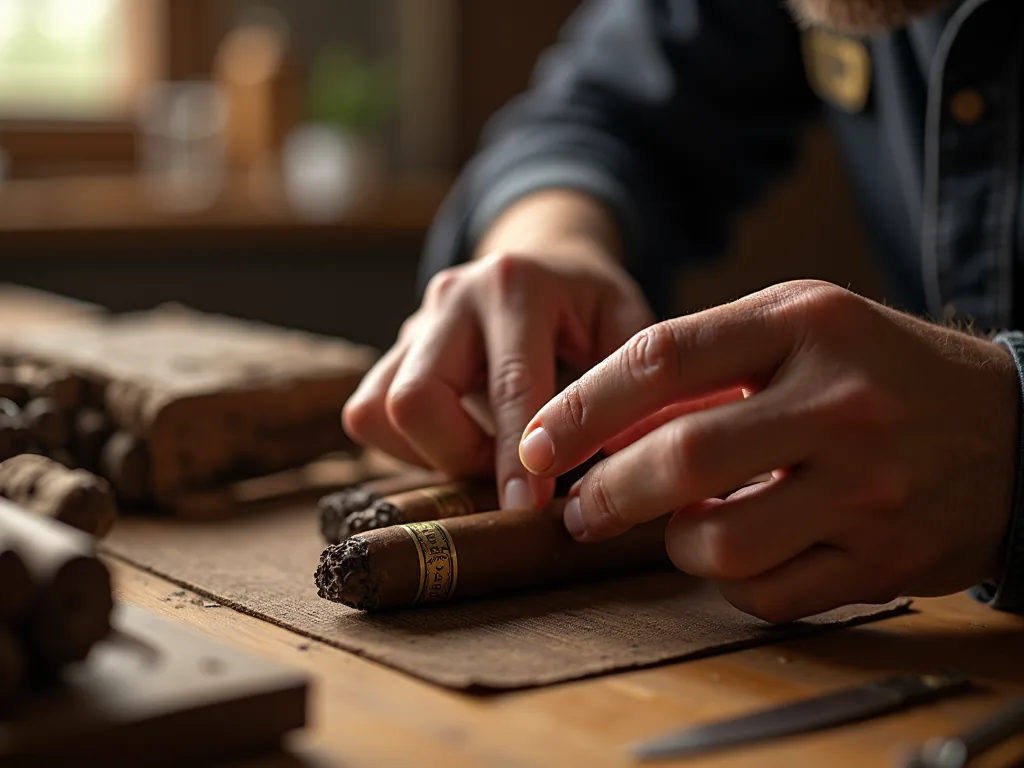
Our Quality Control Process
Traceability starts before production.
Our Quality Control Process follows the material from leaf intake and verification through conditioning, draw and weight testing, final inspection, packout, batch sheets, and lot numbers.
Leaf Intake & Verification
Record grade, condition, aroma, moisture, and handling notes before material moves forward.
Material Staging
Stage approved tobacco, packaging, samples, and references from one shared specification.
Resting & Curing
Monitor curing state, moisture behavior, and readiness before the next production step.
Conditioning & Sorting
Sort material by quality role, texture, moisture, and production fit before assembly.
Draw & Weight Testing
Check airflow, construction, weight, appearance, and corrective notes during production.
Final Inspection & Packout
Review finished goods against specification, count, presentation, and release expectations.
All checkpoints are logged on batch sheets and tied to lot numbers for traceability.
Standards & Compliance
SOPs make quality repeatable.
ONTCSA operates with written SOPs, lot-level traceability, and documented QA checks aligned to international best practices for premium tobacco manufacturing.
Incoming leaf checks
SOP: Raw Leaf Intake & Acceptance confirms grade, moisture, and integrity before tobacco enters production.
In-process consistency
SOP: Rolling & In-Progress Checks keeps construction, moisture, appearance, and corrective notes visible during production.
Finished product release
SOP: Finished Goods Inspection reviews draw, weight, packout, presentation, carton marks, and release readiness.
Lot coding and traceability
Policy: Traceability & Lot Coding connects batch records, retain samples, packaging references, and reorder planning.
Release readiness
Quality documents should be easy to request.
Release readiness connects raw leaf intake, in-process checks, final inspection, documentation workflow, quality checkpoints, SOP discipline, retain samples, and lot references so buyers know what was checked and what records can follow the finished product.
GuideQuality guide
Review raw leaf intake, sorting, draw checks, final inspection, and documentation expectations.
Trust centerQuality trust centerReview quality, documentation, packaging responsibility, and buyer handoff guidance in one place.
Document vaultRequest quality documentsRequest the specification, sample, packaging, or release documents that apply to the project.
Training & Certification
Training keeps quality practical.
Training & Certification keeps quality practical through Apprenticeships, Skill Progression, and Safety & Hygiene routines that teams can follow on the factory floor.
Apprenticeships
hands-on training for bunchers, rollers, and QC assistants.
Skill Progression
periodic proficiency reviews and corrective coaching.
Safety & Hygiene
workplace safety briefings and sanitation protocols per shift.
Training and accountability
Team leads connect SOP discipline, quality checkpoints, retain samples, and lot references to each production handoff.
Prepare the documentation path before production starts.
Start with clear quality requirements.
Share the product format, sample status, packaging direction, destination, quantity range, and document needs so the sales team can prepare a clear next step.
data-template="quality-system-approved" data-phase378-quality-refresh="true" id="phase378-quality-approved-style" styles.css?v=phase538-global-header-tablet-breakpoint-optimizer"dark-quality-command" Quality system Quality systems for repeatable production. Leaf checks, in-process controls, training, final inspection, and traceability records organized for qualified tobacco programs. Quality command center raw leaf intake in-process checks Final inspection documentation workflow quality checkpoints SOP discipline retain samples lot references phase378-primary-cta phase378-quality-grid phase378-document-cards How quality is checked Incoming leaf checks Talk to our team Contact sales font-size:clamp(30px,3.6vw,46px) font-size:clamp(42px,7.2vw,82px) padding:24px