Raw tobacco · leaf lot atlas
Raw tobacco starts with leaf identity.
ONTCSA raw tobacco discussions begin with origin, grade, curing status, fermentation path, moisture condition, leaf role, and buyer use case before quote, samples, or B2B supply review.
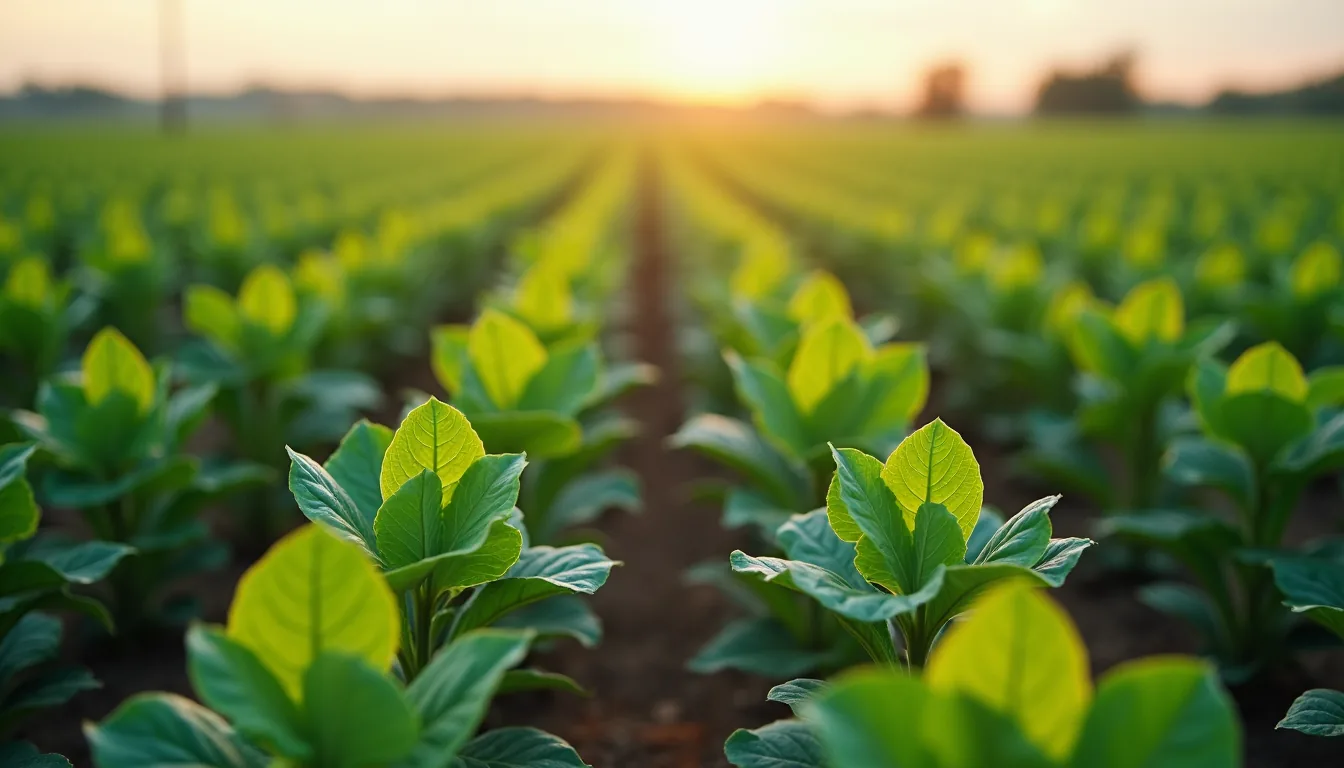
Leaf identity
Start with grade, role, and readiness.
Wrapper, binder, filler, ligero, viso, seco, and volado requests need different language because each leaf role carries different expectations for texture, combustion, strength, aroma, and presentation.
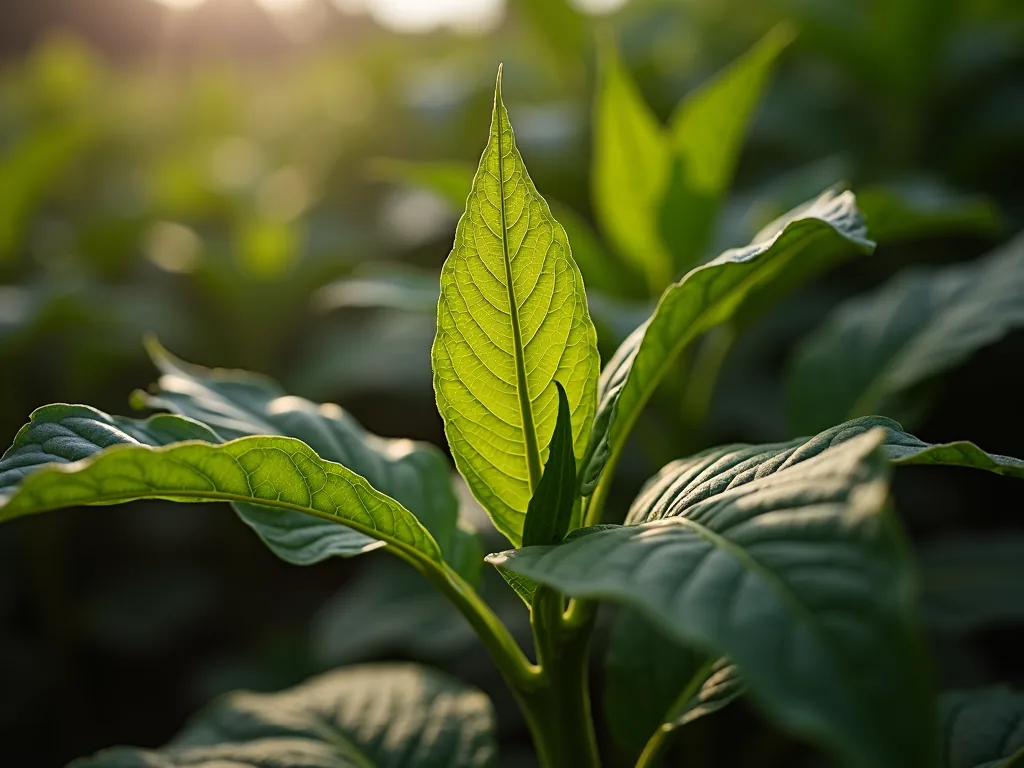
Presentation leaf
Discuss appearance, elasticity, color range, texture, condition, and whether the leaf belongs in premium cigar or wrap programs.
Structure and combustion
Binder-grade tobacco is reviewed around strength, stretch, burn behavior, and how it supports the finished product.
Blend architecture
Filler leaf requests should identify ligero, viso, seco, volado, strength direction, aroma, and intended cigar or finished-product role.
Whole leaf and raw leaf requests need precise stage language.
Buyers should clarify whether they mean agricultural raw tobacco, cured tobacco, fermented tobacco, sorted whole leaf, or leaf prepared for a specific manufacturing path.
Commercial review begins with fit.
Volume range, destination market, sample expectations, documentation needs, and handling requirements help ONTCSA route the request correctly.
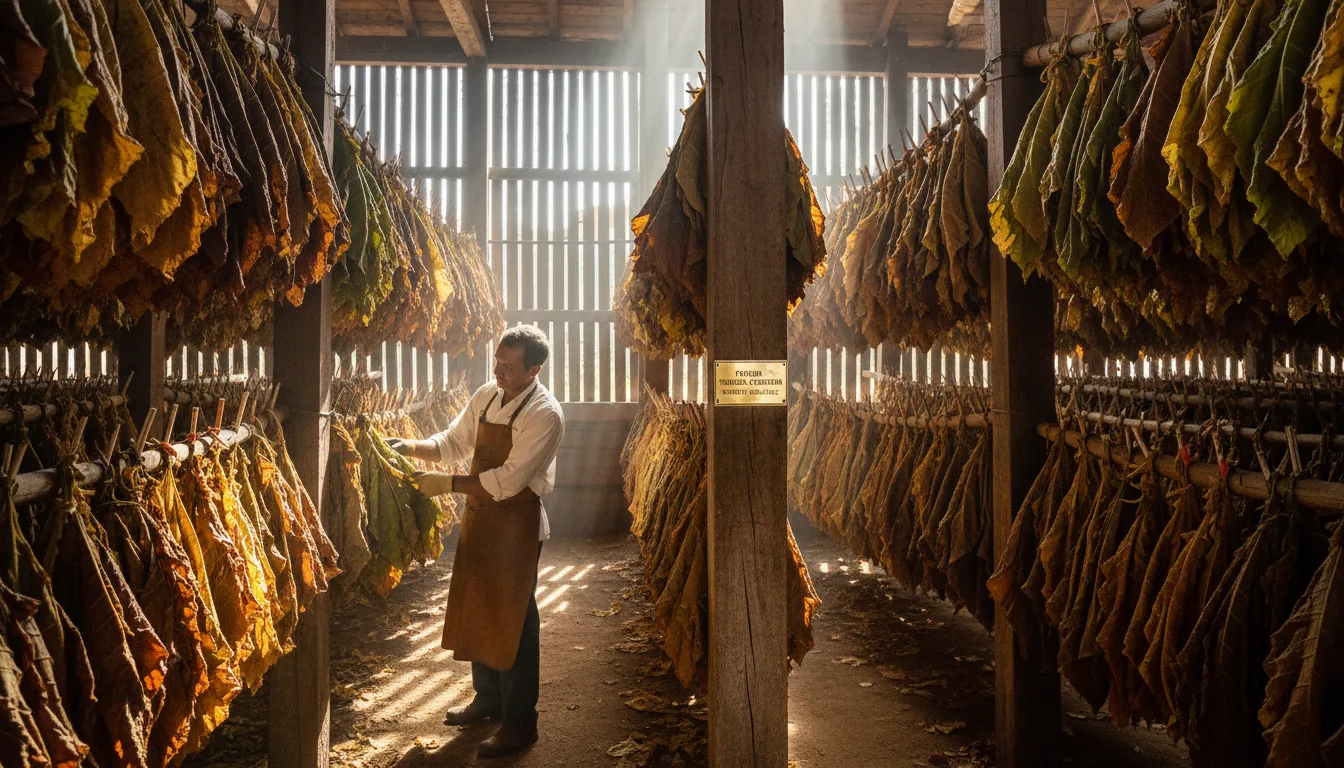
Curing and fermentation path
Stage language prevents the wrong request.
Raw tobacco, uncured tobacco, cured tobacco, fermented tobacco, and rested whole leaf are not the same commercial request. The stage determines handling, sample expectations, documentation, and buyer-side market responsibility.
Uncured tobacco
Market-dependent requests require careful review of agricultural stage, handling expectations, and buyer-side rules.
Curing status
Curing barn state, moisture behavior, color development, and stability determine whether leaf can move forward.
Fermentation
Pilón management, heat, aroma, texture, and rest time shape whether the leaf is ready for sorting or production.
Pack method
Bales, bundles, cartons, retain samples, labels, and lot references should match the buyer's next step.
Sorting and quality
Raw leaf review becomes a quality path.
Raw leaf inquiries should connect product intent with sorting, moisture, visual grade, aroma, sample review, and traceability before commercial handoff.
Color, texture, and integrity
Visual sorting helps separate usable roles, defects, handling concerns, and presentation expectations.
Condition and handling
Moisture state affects shipping, storage, sample review, and whether additional conditioning is required.
Traceability references
Lot references connect raw leaf, retain samples, inspection notes, and buyer-ready quality documentation.
Commercial handoff
Release review links the raw tobacco request to product family, volume range, packaging, and market-dependent review.
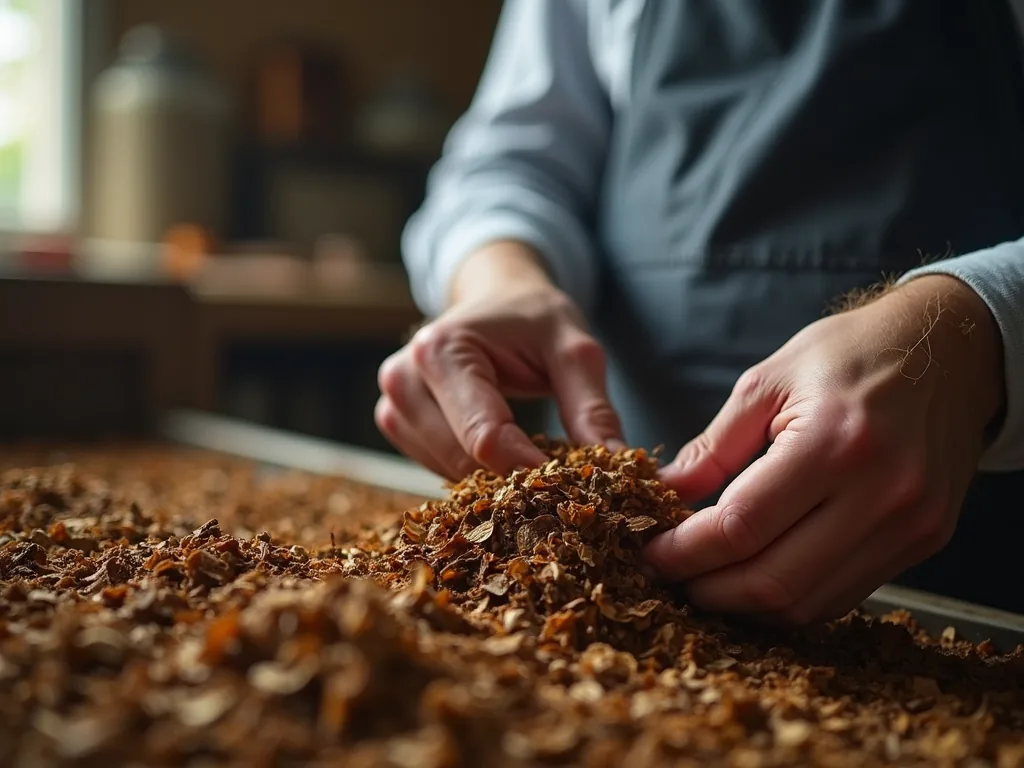
Fermentation discipline
Fermentation turns leaf condition into production readiness.
Fermentation, resting, sorting, and quality checks help define whether tobacco can support cigars, wraps, grabba, cones, whole leaf sales, or finished tobacco products.
Request docket
Prepare the raw tobacco request before outreach.
Share origin expectations, leaf role, stage, grade, moisture condition, sample needs, destination market, pack method, document needs, and volume range so ONTCSA can review fit and route the request.
Supplier guideRaw tobacco supplier Nicaragua
Review Nicaraguan raw tobacco, whole leaf supply, buyer readiness, quality expectations, and commercial review.
B2B supplyConnect supply request to buyer pathUse the B2B supply page when the raw tobacco request is part of a broader distributor or manufacturer program.
QuoteRequest quote reviewBring product family, volume range, stage, samples, quality needs, and timeline into one commercial request.
SamplesRequest sample reviewAlign sample intent with leaf role, grade, moisture state, pack method, and buyer-side evaluation expectations.
Raw tobacco review starts with specificity.
Send the leaf details that matter.
Use product family, leaf role, stage, grade, moisture condition, volume range, destination, sample status, and documentation needs to help ONTCSA review the request efficiently.
Raw Tobacco uncured tobacco fermentation B2B supply raw leaf finished tobacco products market-dependent adult-use hero-product Request project brief Premium Tobacco Services Exclusive provider