Resource library · lifecycle atlas
Seed to Finished Product Guide
Follow premium tobacco from seed selection through cultivation, curing barns, fermentation, sorting, manufacturing, packaging, quality control, and finished product handoff.

Lifecycle map
Each stage changes the final product conversation.
This guide gives qualified adult-use tobacco buyers practical language for discussing origin, curing, fermentation, sorting, manufacturing, packaging, documentation, and handoff with ONTCSA.
Origin begins with intended role.
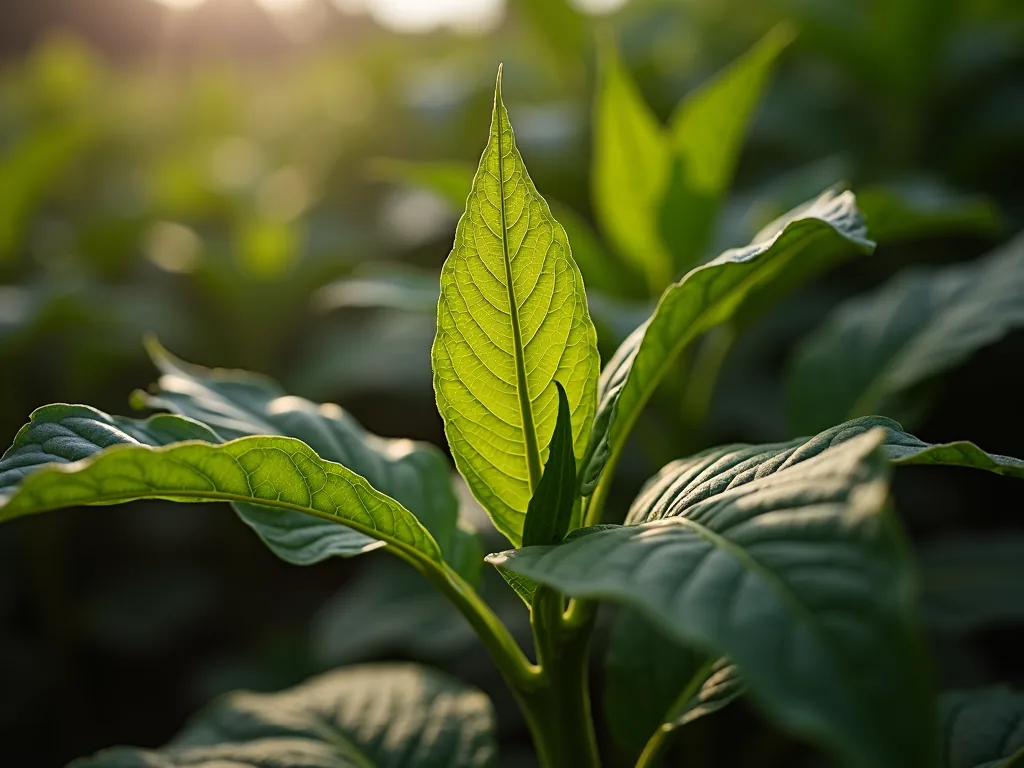
Seed selection connects varietal, origin, soil, climate, and intended product role before tobacco reaches the factory.
Field work sets the usable range.
Cultivation and harvest timing influence wrapper, binder, filler, whole leaf, and raw tobacco possibilities.
Curing protects color and aroma.
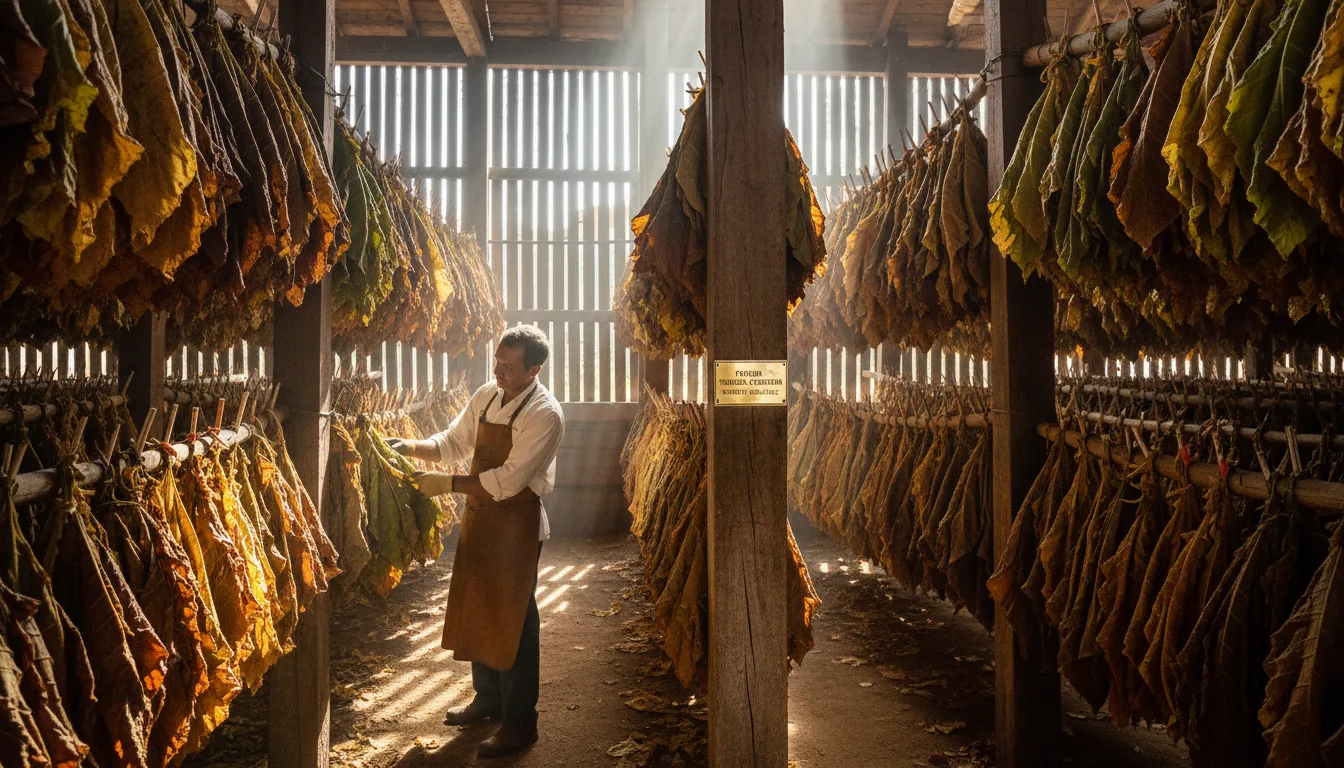
Curing barns manage color development, airflow, humidity discipline, aroma preservation, and leaf condition.
Fermentation converts raw potential into controlled tobacco character.
Pilón management shapes strength, aroma, temperature, rest, and consistency for premium tobacco programs.
Finished product work connects the leaf to buyer expectations.
Blend, format, packaging, quality checks, lot references, and launch handoff turn leaf decisions into a commercial product path.
Curing barns
Curing is not storage; it is product direction.
Curing decisions influence color, elasticity, aroma, texture, and the range of product formats the leaf can support later.
Airflow and humidity disciplineLeaf color and condition checksWrapper, binder, filler, or whole-leaf fit
Fermentation and rest
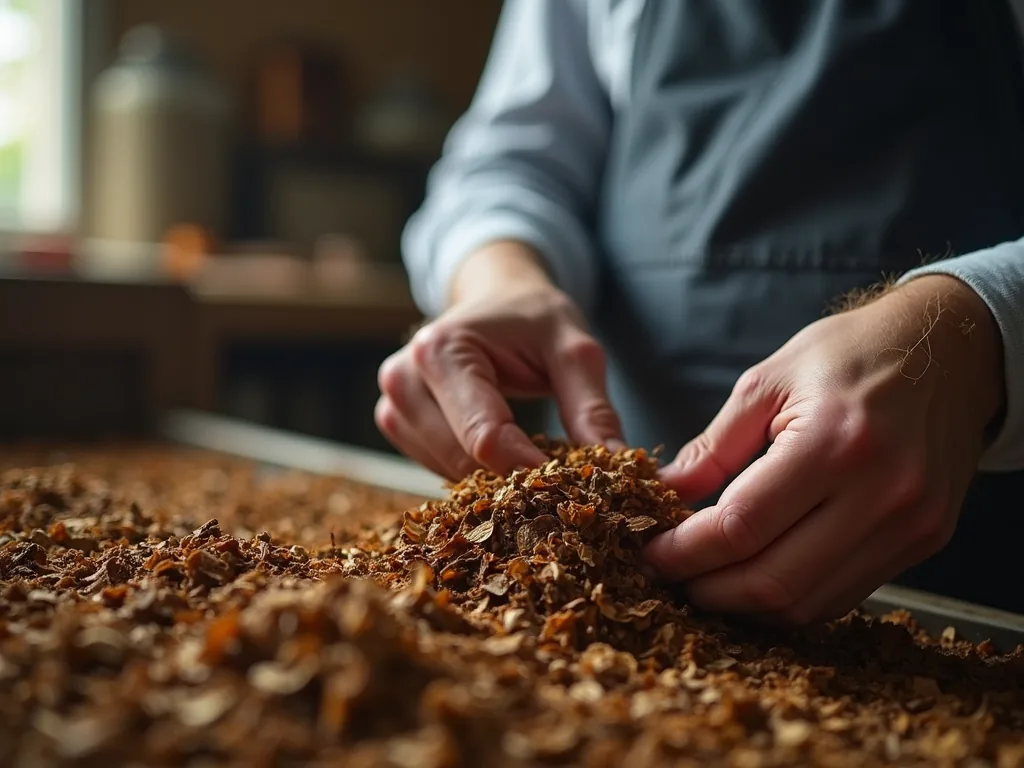
Fermentation turns leaf condition into usable character.
Temperature, pile management, rest, sorting, and sensory review help align strength, aroma, burn behavior, and production suitability.
Pilón temperature and turn disciplineStrength and aroma developmentResting before sorting and production
Manufacturing path
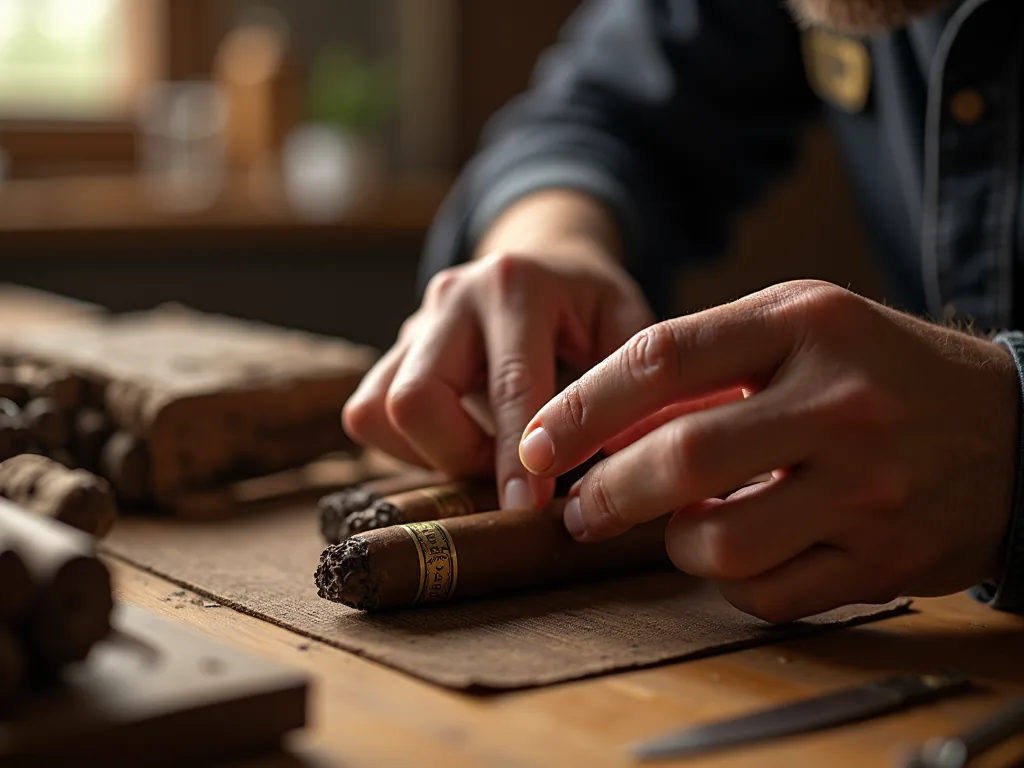
Production translates leaf decisions into a finished product format.
Cigars, wraps, grabba, cones, whole leaf, and private-label programs each require a different path through blend target, size, packaging, quality checks, and buyer approval.
Quality board
Quality control connects every stage back to the final handoff.
Finished product readiness depends on stage-by-stage discipline, not one final inspection alone.
Grade and role
Leaf sorting supports wrapper, binder, filler, whole leaf, raw tobacco, or finished product decisions.
Product checks
Dimensions, draw or airflow, moisture, texture, appearance, packaging, and reference samples matter.
Lot context
Buyer-facing documentation can connect production notes, retain samples, lot codes, and release context.
Handoff clarity
Packaging, carton marks, logistics timing, and buyer-side market review complete the route.
Finished product handoff
A finished product should carry its lifecycle forward.
The commercial handoff should connect product format, approved specification, packaging direction, quality context, and reorder expectations.
Approved sample or specification referencePackaging and label responsibilityQuality documentation and reorder planning
Buyer router
Use the guide to choose the next ONTCSA conversation.
Move from lifecycle education into the product, quality, quote, or sample path that fits the buyer decision.
Read
Seed to leaf
Continue with seed, field, and leaf development context.
ExploreTobacco overview
Review ONTCSA tobacco categories and buyer pathways.
VerifyQuality system
Connect lifecycle stages to inspection and release discipline.
TestSample request
Use samples when product direction requires physical review.
StartRequest quote
Move into quote review when scope and timing are clear.
Seed to finished product
Bring lifecycle context into the buyer brief.
Use this guide to prepare stronger conversations about product role, leaf condition, curing, fermentation, manufacturing, packaging, quality control, and finished product handoff.
Seed to Finished Product Guide seed selection curing barns fermentation finished product tobacco-seed-to-leaf.html tobacco.html quality.html Product availability varies by market adult-use Resource Library