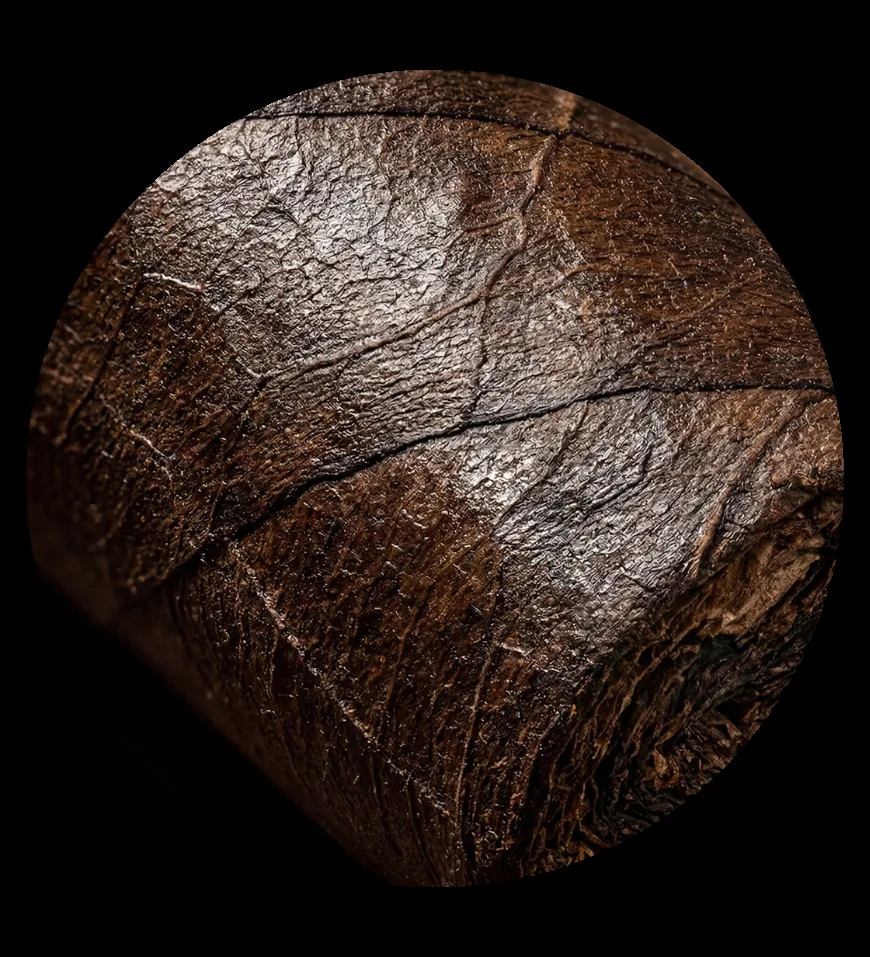
Priming
Ligero
- Location
- Upper stalk
- Primary role
- Strength / body
Blend body, intensity, aroma concentration, longer fermentation planning.
Open LigeroTobacco leaf positions
Review Ligero, Viso, Seco, Volado, Wrapper, Binder, and Filler by stalk location, cigar structure, blend role, and buyer-ready specification language.
Role cards
Use these cards to connect stalk priming, cigar construction, blend character, combustion, appearance, and finished-product planning.
Blend body, intensity, aroma concentration, longer fermentation planning.
Open Ligero
Balanced body and aroma support for cigars, wraps, and whole-leaf blend planning.
Open Viso
Aromatic balance and softer blend structure with format-dependent combustion review.
Open Seco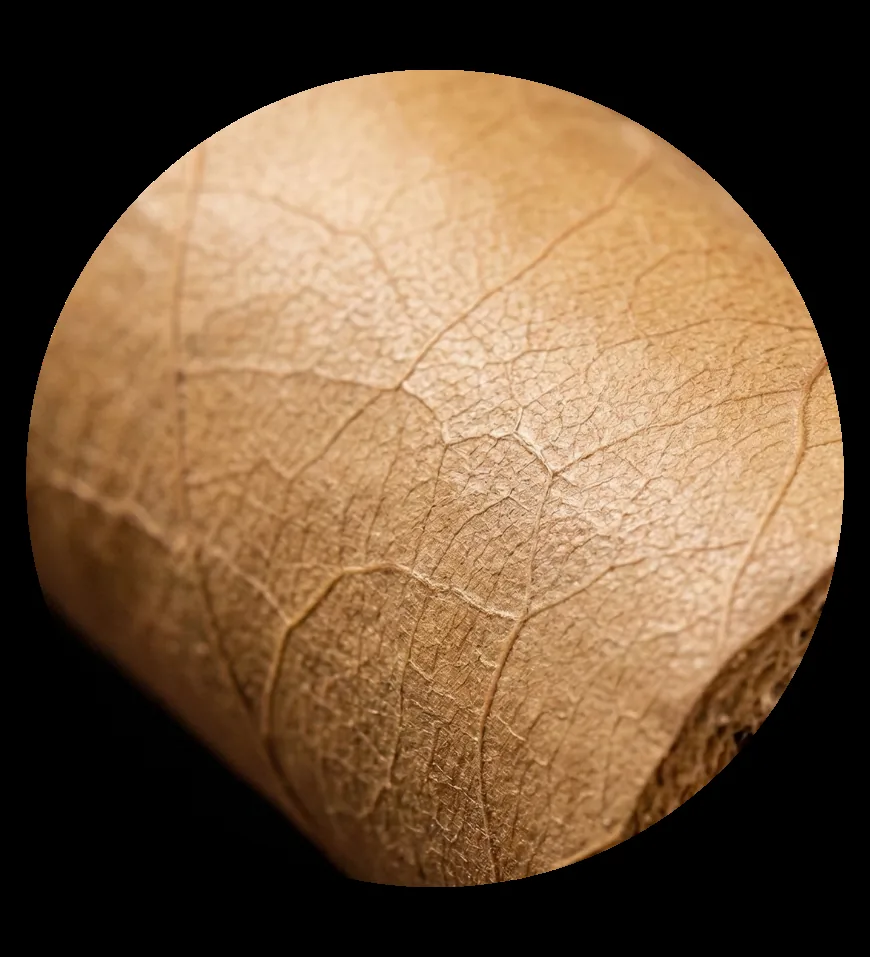
Combustion support and lighter contribution in filler or blend conversations.
Open Volado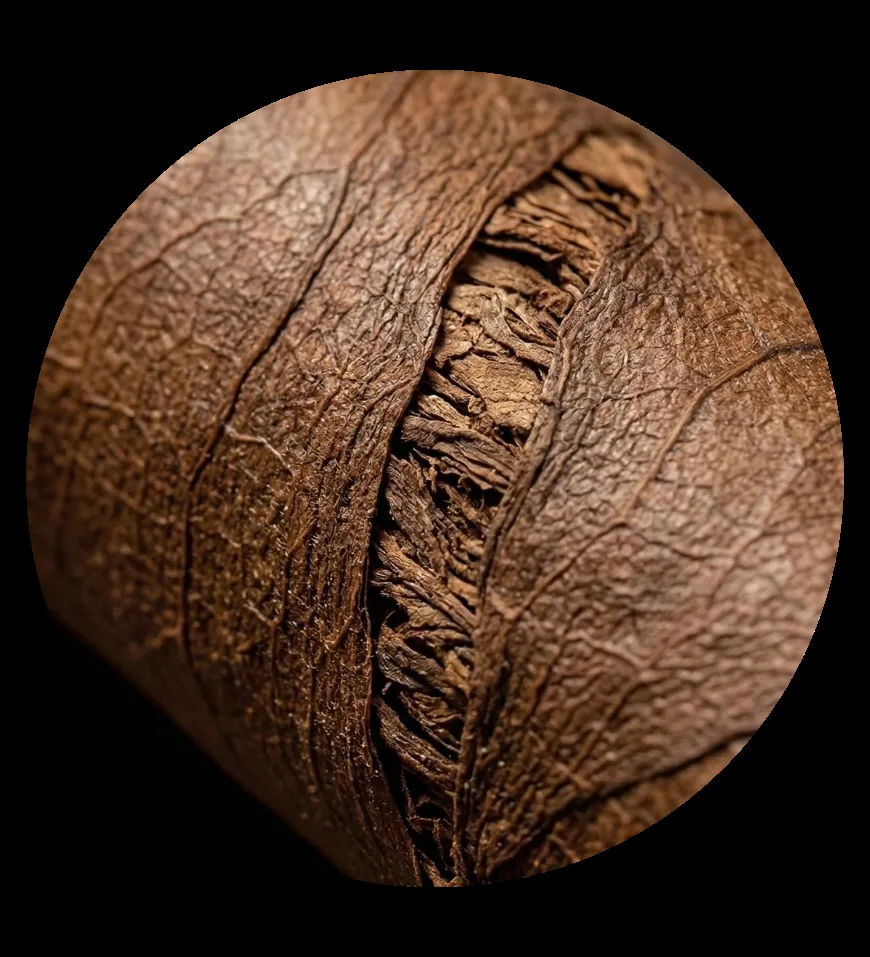
Visible outer leaf selected for appearance, texture, elasticity, shade, and handling.
Open Wrapper
Structural leaf that supports bunch construction, burn line, and finished format consistency.
Open Binder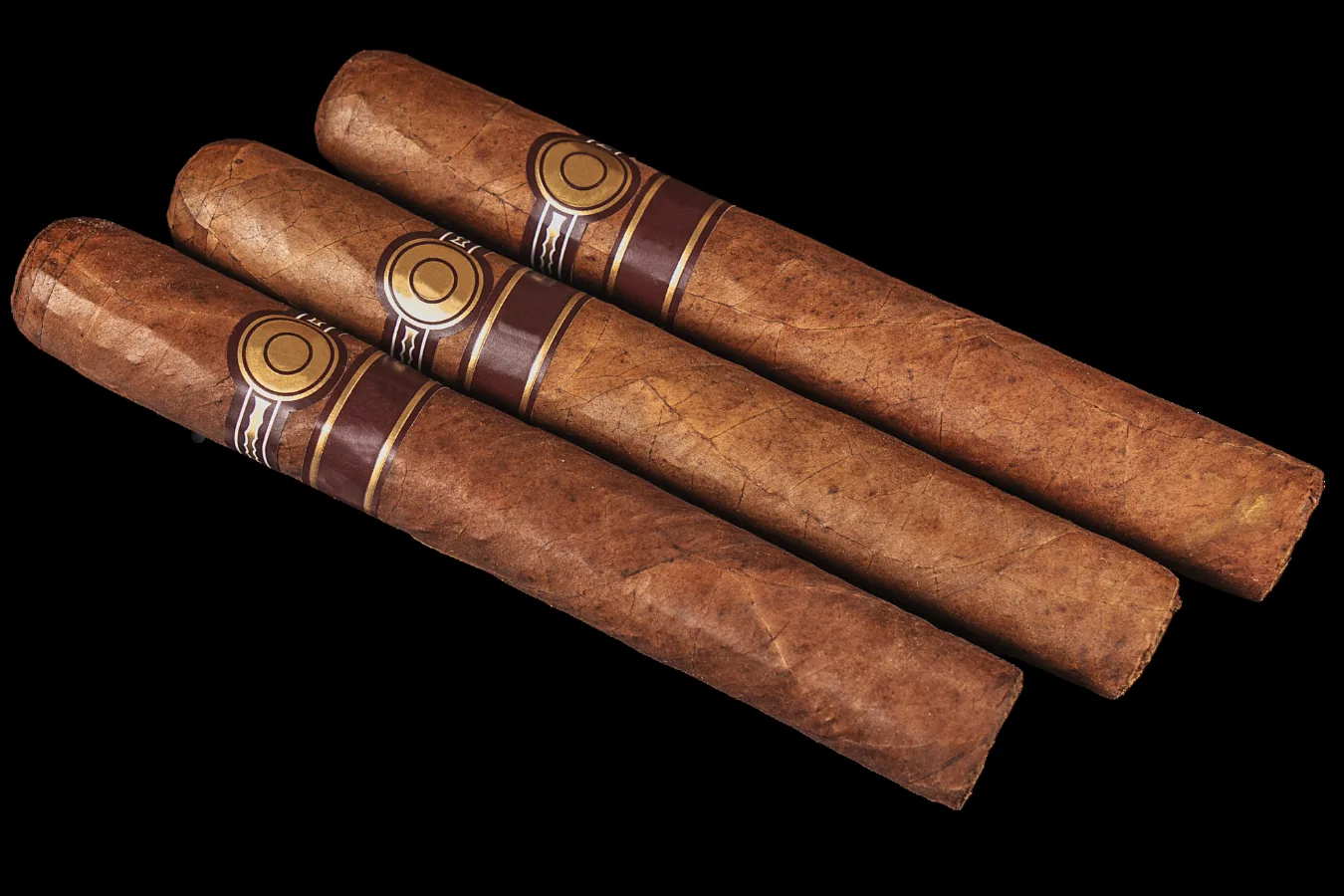
Internal tobacco blend carrying body, aroma, combustion, draw, and product character.
Open FillerComparison matrix
The matrix keeps leaf-position discussions precise for cigars, wraps, whole leaf, grabba, raw tobacco, and B2B supply planning.
| Leaf role | Type | Location | Primary role | Specification use |
|---|---|---|---|---|
| Ligero | Priming | Upper stalk | Strength / body | Blend body, intensity, aroma concentration, longer fermentation planning. |
| Viso | Priming | Middle-upper stalk | Balance / aroma | Balanced body and aroma support for cigars, wraps, and whole-leaf blend planning. |
| Seco | Priming | Middle-lower stalk | Aroma / balance | Aromatic balance and softer blend structure with format-dependent combustion review. |
| Volado | Priming | Lower stalk | Combustion support | Combustion support and lighter contribution in filler or blend conversations. |
| Wrapper | Structure | Outer cigar leaf | Appearance / finish | Visible outer leaf selected for appearance, texture, elasticity, shade, and handling. |
| Binder | Structure | Cigar construction | Structure / burn | Structural leaf that supports bunch construction, burn line, and finished format consistency. |
| Filler | Structure | Internal cigar blend | Character / performance | Internal tobacco blend carrying body, aroma, combustion, draw, and product character. |
Blend board
Ligero, Viso, Seco, and Volado help frame strength, aroma, combustion, balance, and blend architecture before samples or quotes.
Wrapper, Binder, and Filler connect visual identity, structural performance, draw, burn, and finished product consistency.
Buyer docket
Prepare leaf-position requests with product family, intended role, format, sample needs, volume, quality expectations, destination market, and timing.
Next step
Share the leaf position, intended product, target character, quality expectations, packaging direction, and timing for a more useful ONTCSA review.